Skip to content
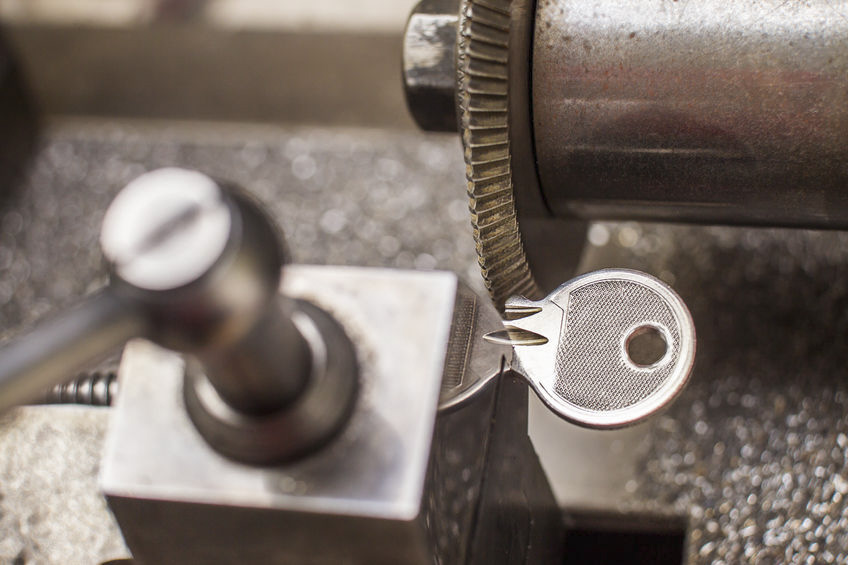
HMS Locksmith is a residential, commercial and automotive locksmith based in Allston that works across Boston and nearby cities, from Back Bay and Brighton to Dorchester, Cambridge and Somerville. A lot of our residential calls come in the first week after a closing, when a new owner looks at a ring of keys from the seller and realizes they have no idea who else has a copy.
That is the right instinct. Condo locks pass through a lot of hands before they reach you: the previous owner, their family, a dog walker, a cleaner, a contractor who did the kitchen, maybe a tenant or two. This guide walks through which locks to deal with on day one, which ones belong to the association, and how to plan the work so it fits around the move itself.
Why a new condo needs new keys
When you buy a condo, you get the keys the seller hands over. You do not get a list of every copy that was ever cut. Keys get lent, duplicated at hardware store kiosks and forgotten in junk drawers. Our residential locksmith page puts it plainly: if you just moved into a new home, changing or rekeying your locks is strongly recommended, because former occupants may still have duplicates.
The good news is that this is usually a quick job. Rekeying means removing the lock cylinder, changing the pins to match a new key pattern and putting it back together. The hardware stays on the door, the old keys stop working, and you get a fresh set. If your existing locks are solid and in good shape, rekeying is usually the sensible first move. If they are worn, cheap or you want something stronger, that is the moment to replace them.
The locks that are yours to change
In most Boston condos, the unit owner is responsible for everything on their side of the unit entry door. Walk through the place with your keys and check each of these.
Your unit entry door
This is the priority. Most unit doors have a knob or lever lock plus a deadbolt. Rekey both to the same new key so you are not juggling two. If there is only a knob lock, ask about adding a deadbolt.
Secondary doors
Back doors to a porch, a deck or a rear stair are easy to forget because nobody uses them during showings, and in a converted older building they may still have whatever lock was there decades ago. Give them the same attention as the front door.
Patio and sliding doors
Sliders often have a simple latch rather than a keyed lock. Check whether it actually holds when the door is pushed and lifted, and ask about a secondary lock or bar if it does not.
Storage cages, bike rooms and private garage spaces
If your deed or the condo documents assign you a storage cage or parking spot with its own lock, that lock is likely yours to change. Confirm with the property manager first.
Mailbox
Mailbox locks in condo buildings have their own rules, because the box may be owned by the association while the post office controls the master door. HMS Locksmith handles mailbox key and lock work, and will ask to see official ID and proof of your current address before starting.
The locks the association controls
The main building entrance, the lobby door, the roof hatch and shared basement doors are common areas. Do not rekey or replace them yourself, even if you have a key. Check your condo documents and talk to the property manager or trustees.
This also matters for security. If the building uses a master key system, the manager may need a key that opens your unit for emergencies such as a leak from the unit above. Ask what the rule is before you rekey, so you can provide a copy the right way rather than finding out after the fact.
Massachusetts condominium law, M.G.L. chapter 183A, together with your master deed and bylaws, sets out which parts of the building are common areas.
Planning the lock work around the move
The cleanest approach is to schedule the locksmith for the day you get the keys, before furniture arrives. Rooms are empty, doors are easy to reach, and you can hand out new keys only to the people who actually need them.
If you are coordinating movers, cleaners and a locksmith in the same week, plan it the way a good moving company plans a job: one sequence, one person holding the keys, no doors propped open longer than necessary.
A few practical tips for move day:
- Keep the old keys until the locksmith is finished, then collect every copy and set them aside.
- Decide in advance how many new keys you need and who gets them.
- If movers need access before the rekey, stay on site rather than leaving a key under the mat.
- Once the new keys are cut, test every one in every lock before the locksmith leaves.
Rekey, replace or upgrade?
Here is a simple way to decide:
- Rekey when the locks work smoothly, look solid and you are happy with the brand and style.
- Replace when a lock sticks, the finish is corroded, the key is hard to turn or the lock is a basic builder-grade model.
- Upgrade when you want a high-security cylinder with controlled key blanks, a smart lock or a keypad.
HMS Locksmith installs and services home door locks and deadbolts, keyless knobs, high-security systems and smart locks. A technician can look at what you have and tell you which of the three makes sense for each door.
Serving condo owners in Cambridge, Somerville and across Boston
New condo owners in Boston, Cambridge and Somerville often inherit a mix of old and new hardware from previous owners and renovations. If you are moving into a unit across the river, our Cambridge locksmith page covers the services we offer there. HMS technicians work from vans stocked with key blanks and cutting machines, so most rekeys are handled in one visit.
Frequently asked questions
Is rekeying enough, or should I replace the locks?
If your locks are in good condition and offer the level of security you want, rekeying is usually enough because it makes every old key useless. Replace a lock if it sticks, is worn or is a basic model you would not have chosen yourself.
Trusted Local Network
We like to point readers toward businesses that do careful work in their own trades and markets. Two worth a look:
- A veteran-owned local moving crew that handles homes, apartments and condos in Oceanside, California, notes that stairs, distance, item size and volume all shape the job, which is why lock work belongs in the same move-week plan.
- A Corona, California, plumber that handles tank and tankless water heater installation walks owners through the choice and handles the permit, a good model for any upgrade you plan in a new condo.
Your Greater Boston Condo Lock Specialists
If you just closed on a condo anywhere in Boston or nearby, reach our team through the contact page and tell us how many doors and locks you have, and whether you want to rekey, replace or upgrade. Call (617) 249-4949 to book a time on move-in day.
HMS Locksmith is based in Allston and serves Boston and nearby communities across Suffolk, Middlesex, Norfolk and Essex counties, including Cambridge, Somerville, Brookline, Newton and Quincy. Learn more about our rekeying and master key service, or see what neighbors say in the HMS Locksmith Google reviews before you book.